 Most viewed - Ducati Most viewed - Ducati |
475 viewsComparison of the incandescent bulb (left) and the LED replacement (right).
|
|
471 views
|
|

470 views
|
|
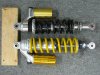
Detail 1470 viewsOEM Sachs on top (black spring) and Ohlins racing on the bottom (yellow spring).
|
|
469 viewsThe turning tool screws in snugly and easily lets you rotate then engine to get the pulleys to TDC (Top Dead Center).
|
|

...after.467 views
|
|
466 viewsThe pigtail length I used was 35mm and the red line shows how it's laid inside the seat pan with the resistor wires coming in an OEM hole (arrow) and spliced into it. This is all hidden by the "tool tray". I could've shortened it by a couple centimeters but it works as is.
|
|
Before...464 viewsThe bottom of the switch housing is at 34".
|
|
464 views...to mate with the notch in the one clutch spring post. I seriously don't think it matters but I tried to follow the workshop manual instructions as closely as I could, just in case.
|
|
463 views
|
|
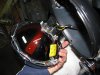
463 viewsThe headlamp exposed. Pretty darn simple in there.
|
|
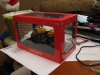
462 viewsHow it looks in the display box before unpacking.
|
|
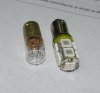
462 viewsClose-up comparison of the incandescent bulb (left) and the LED replacement (right).
|
|
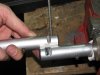
462 viewsThe top bar has the stock groove in it and the bottom one shows the extra material I had to remove, about 3/4 of the width of the original groove. Both bars required this modification. This allows the bar to be positioned "down" more so the reservoir clamps/brackets can fit on the bars. I used a hack saw to make the initial removal of material then used a rat-tail (round) file to further remove material and neaten the curves. Remember to remove just a little instead of too much! These are aluminum and it's very easy to work with.
|
|
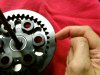
462 viewsI used the hole in the pressure plate...
|
|
461 views
|
|
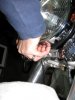
Fingernails help here.461 viewsPut your fingers between the headlamp bucket and the chrome headlamp ring and pull the bottom of the headlamp out. It only needs to travel a centimeter or two for it to be free. Unhook the top and carefully lay the headlamp on the fluffy towel you placed on the fender (that's a hint).
|
|
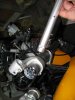
460 viewsRight side showing locating pin and hole.
|
|
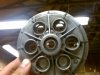
460 viewsOutside of OEM pressure plate, looking at the spring perches. See the light coming through? All but one of them had worn through.
|
|
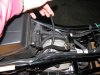
459 viewsI'm holding the hose that I'm going to merge and thus remove. The one near the bottom of the picture with the brass hose clamp is the hose that will remain and thus serve as the bleed and drainage line.
|
|
| 428 files on 22 page(s) |
 |
17 | |
|





