 Most viewed - How-to Most viewed - How-to |
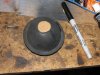
Through the rubber cover413 viewsThe following is the method I used on the left side after trying the right side by using the hard cover (described after this procedure). This is SO much easier to install and route wires, however, you MUST make sure you seal the gasket to the rubber boot so as to keep water out. I personally think this is the best way to do it with the kit I used.
I used a scrap piece of cardboard, cut in a 7/8" diameter circle, and traced the back side of the low beam rubber cover using a permanent marker.
|
|
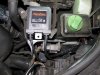
413 viewsLocation where I placed the left side electronics. Attached by using the supplied double-sided tape (strong stuff!).
|
|

413 viewsWhen putting the female part of the switch onto the male part, make sure the sliding contact doesn't catch on the electrical pads on the female piece. Use a scribe or small, flat screwdriver blade to hold it down as you slide the female part on.
|
|
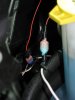
413 viewsThe red wire in the background is the turn signal tap while the white wire in the foreground is the feed to the DRL array.
|
|
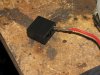
412 viewsMy kit came with holders that the wires clip into -- notice the orientation of the tang, it faces inside so it will lock in place.
|
|
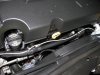
410 viewsRouting the power feed wire along an existing loom.
|
|

410 viewsIn the shade.
|
|

408 viewsParking lights on.
|
|
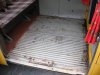
407 viewsClose-up. The black plastic plugs are for seat belt mountings. The attachment points for a 2-person or 3-person seat are there in the middle, just waiting to get used :-)
|
|
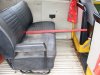
407 viewsThat's a yard stick. There's 15" of leg room there.
|
|
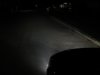
406 viewsBefore - Low beams and fogs, standing next to the B-pillar and looking forward.
|
|
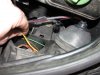
406 viewsGently pull on the brown and yellow wires to help keep the connector in its place when putting the rubber boot back on.
|
|
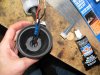
404 viewsViewing inside after applying the RTV.
|
|
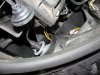
Right side404 viewsThis is the side I started on and passed the harness through the hard cover as recommended by a shop that does the procedure. What a MAJOR pain in the butt! Ideally, it would be best to REMOVE the airbox in order to get enough space to maneuver around; a much bigger task than I cared to do after 3 hours of work involved already! I have long thin fingers and trying to get the bulb in the socket, as well as the gasket into the hard cover, was quite difficult. Anyone with thicker and/or shorter fingers would likely have an even more difficult time as the space is just too cramped around that area.
|
|
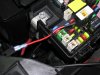
404 viewsWire passed through and new connector crimped on. Fuse tap is ready to replace the M6 20A fuse. I chose this one because it's powered only when the van is on. This fuse is for the #1 ignition switched power plug and rain sensor...our van doesn't have a rain sensor so it's got power to "spare"...heeheehee.
|
|

404 views
|
|
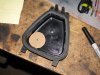
Through the hard cover403 viewsJust an FYI: I do NOT recommend this method! PITA if you have any issues. Go through the rubber cover.
Make a template that is 7/8" in diameter and trace with a permanent marker. Or put a nail or screw into the center of the circle and tap it so it leaves a dimple -- that's where you will drill. I used this location because it gave me the most slack in the wiring. The shop that does this recommended not putting the gasket in the center of the hard cover because there wouldn't be enough wiring slack.
|
|
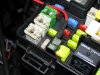
403 viewsThe fuse tab plugged in and with the stock 20A fuse in the BOTTOM. The top fuse will be a 1A to 3A item -- what ever is the smallest I can find -- since the LED array doesn't pull an appreciable amount of current.
|
|
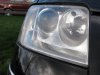
402 views...and after!
|
|
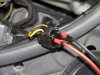
402 viewsThe bulb I originally had for the left side was bad so I got a replacement. This had the wires through it but no connector. Overall, it is better as there was no need for me to cut the wires, push them through the gasket, and butt-crimp them. For the connection, I pushed the spade connectors into the stock connector, dabbed liquid electrical "tape" around it to electrically insulate it as well as help hold the connectors, then wrapped the connector in electrical tape to further hold the connectors in. Not ideal at all but it works.
|
|
| 334 files on 17 page(s) |
 |
14 | |
|





